

The KGGTF hosts a 6-month Youth Internship program that aims to inspire youth engagement in green growth and to empower participants to become future leaders.
The following KGGTF Sectoral Portfolio Books, recently published by KGGTF Youth Interns, compile key insights across Energy, Urban, Agriculture, Water, Environment, Transport, and Digital Development. Reviewed by senior sector experts across the Bank, the portfolios serve as practical knowledge resources on sector trends, challenges, and opportunities. As living documents, they will be updated annually by future cohorts of KGGTF Youth Interns to ensure their continued relevance and value.
The following publications are results of the efforts of the KGGTF Youth Interns participating in the KGGTF Youth Internship program. They do not represent the work of the WBG, nor do the view or perspectives expressed therein reflect those of the KGGTF.
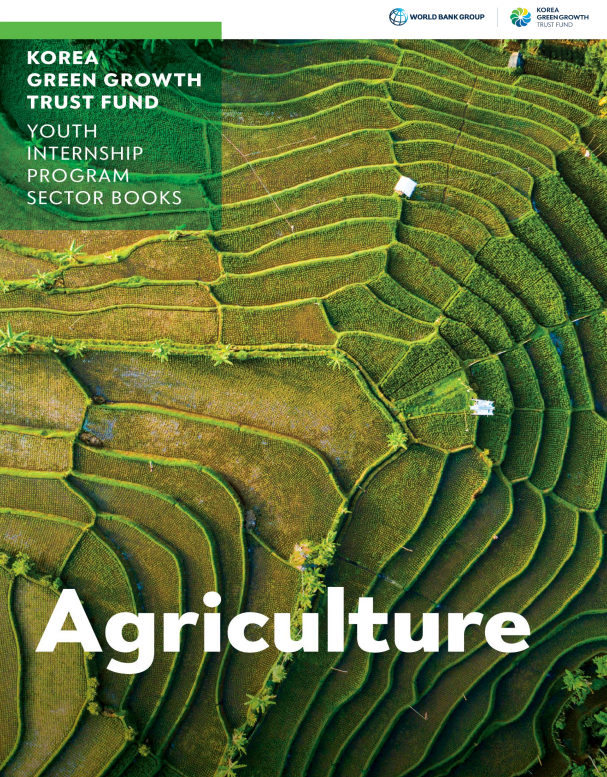 The agriculture sector is a cornerstone of global development, driving food security, economic growth, and rural livelihoods. It provides millions of on-farm jobs and has the potential to generate millions more across value chains, from processing and logistics to retail and services. Growth in agriculture remains two to three times more effective at reducing poverty than growth in other sectors, making it one of the most powerful levers to end extreme poverty and accelerate inclusive growth.
The KGGTF plays a catalytic role in this transition by connecting global demand for sustainable agriculture with Korea’s expertise in innovation, green technology, and policy reform. Through strategic grants, technical assistance, and capacity building, the Trust Fund supports World Bank teams and client countries to design, test, and scale integrated green growth solutions. Its support ensures agriculture remains a viable pathway to prosperity, one that is more productive, resource-efficient, climate-smart, and job-rich.
 The digital development sector is rapidly transforming how countries grow their economies, create jobs, and deliver services. At its best, digitalization enables governments and businesses to use real-time data, expand markets, and build smarter infrastructure. Connectivity, data, and digital platforms are now the backbone of modern economies, supporting sectors such as healthcare, education, energy, and agriculture and are essential to boosting productivity and competitiveness and employment. Digital transformation is not only about technology, it is about creating opportunities for people to participate in the economy and access better jobs.
The KGGTF plays a catalytic role in shaping digital ecosystems that are both sustainable and jobs-rich. Through strategic grants, technical assistance, and partnerships with leading Korean digital innovators, the Trust Fund supports countries embed green digital strategies into national development plans. From AI-enabled early warning systems to energy-efficient data centers and smart utility platforms, KGGTF supports solutions that enhance competitiveness, expand opportunities for employment, and accelerate inclusive digital growth. By linking innovation with practical application, KGGTF enables countries to build digital economies that are more efficient, inclusive, and future-ready.
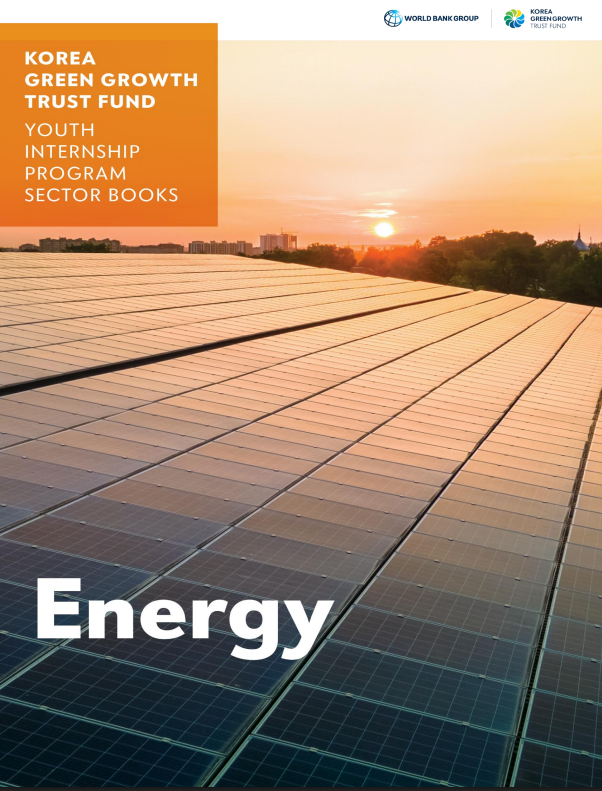 The energy sector is fundamental to sustainable development, economic opportunity, and climate resilience. It powers industries, sustains livelihoods, and enables essential services in healthcare, education, and transportation. Expanding access to reliable and affordable energy raises living standards, creates jobs, accelerates digitalization, and fosters inclusive growth. Yet 675 million people still live without electricity, while another 450 million experience unreliable power, constraints that perpetuate poverty and heighten economic vulnerability.
The KGGTF serves as a catalyst for advancing energy solutions. Its grants drive innovation, build institutional capacity, and enable systems-wide reforms that expand electricity access, scale renewable energy, and promote integrated energy planning. By leveraging Korean expertise and fostering regional knowledge exchange, KGGTF accelerates clean energy transitions, supporting inclusive growth and more resilient energy systems in client countries.
 The environment sector is a foundation of sustainable development essential for protecting natural ecosystems, supporting livelihoods, and advancing global climate goals. Healthy environmental systems regulate air and water, sustain agriculture, buffer communities against climate shocks, and underpin economies worldwide. For billions of people, particularly those in rural and vulnerable communities, these services are not optional but vital to daily life and long-term well-being.
The KGGTF plays a catalytic role in advancing these efforts. Its current portfolio of more than 38 environment-focused grants supports the deployment of innovative technologies, fosters cross sectoral collaboration, and promotes knowledge exchange to support governments pilot and scale integrated environmental solutions. Each year, new grants are added. Further enabling countries to adopt resource efficient and resilient approaches.
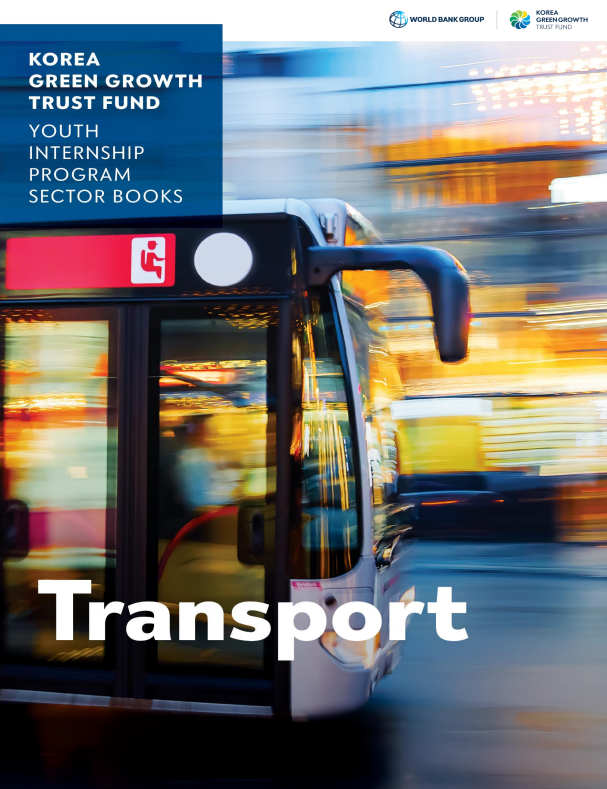 The transport sector is a cornerstone of economic growth, social inclusion, and resilience. By connecting people to jobs, markets, healthcare and education, transport drives mobility, trade, and regional integration. Well-designed and sustainable systems are critical for reducing poverty and achieving inclusive growth while supporting the global transition to a low-carbon economy.
The KGGTF plays a catalytic role in shaping the future of sustainable transport. Its current portfolio includes 43 transport grants, with new initiatives added each year to reflect emerging priorities and opportunities. These grants have supported early-stage innovations and piloted digital solutions such as smart fare systems, mobile taxi platforms, sustainable logistics, and cleaner mobility strategies. By fostering regional knowledge exchange and channeling Korean expertise, KGGTF has helped scale investments in green transport. Looking ahead, the Fund continues to drive resilient, efficient, and digitally enabled mobility systems—supporting countries to deliver inclusive growth and align with global development goals.
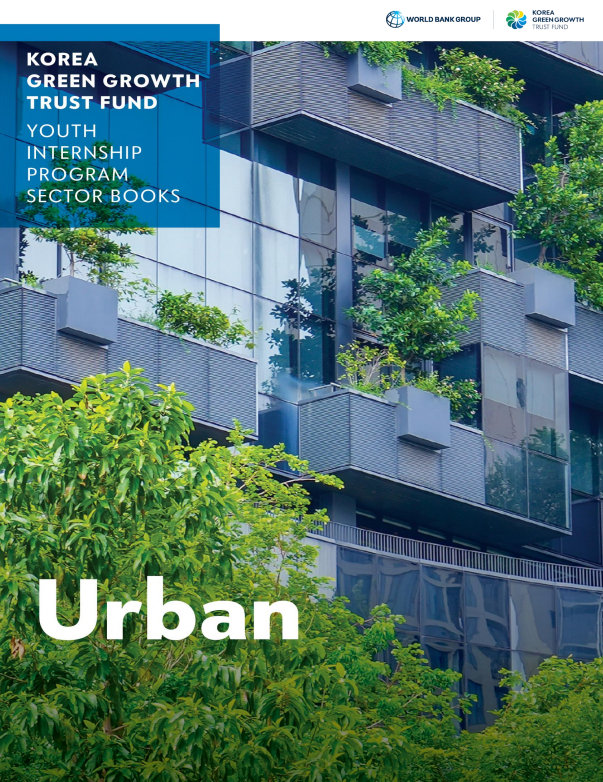 The urban development sector lies at the heart of sustainable growth, offering pathways to economic opportunity, social inclusion, and resilience. Today, more than 4 billion people, which is over half the global population, live in cities. This figure is projected to nearly double by 2050, when seven in ten people will reside in urban areas. Cities already generate 80% of global GDP and 88% of private-sector jobs. They are central to national prosperity and to the creation of jobs and economic transformation.
The KGGTF plays a catalytic role in advancing sustainable and climate-smart urban development. To date, it has supported 47 targeted grants, that build institutional capacity, pilot innovative solutions, and scale integrated urban strategies. By promoting climate-smart planning, green infrastructure, and nature-positive approaches, KGGTF supports cities adapt to demographic shifts and rising urban risks. Looking ahead, the Trust Fund will continue to equip client countries with the tools, partnerships, and knowledge needed to build inclusive, resilient, and opportunity-rich urban futures.
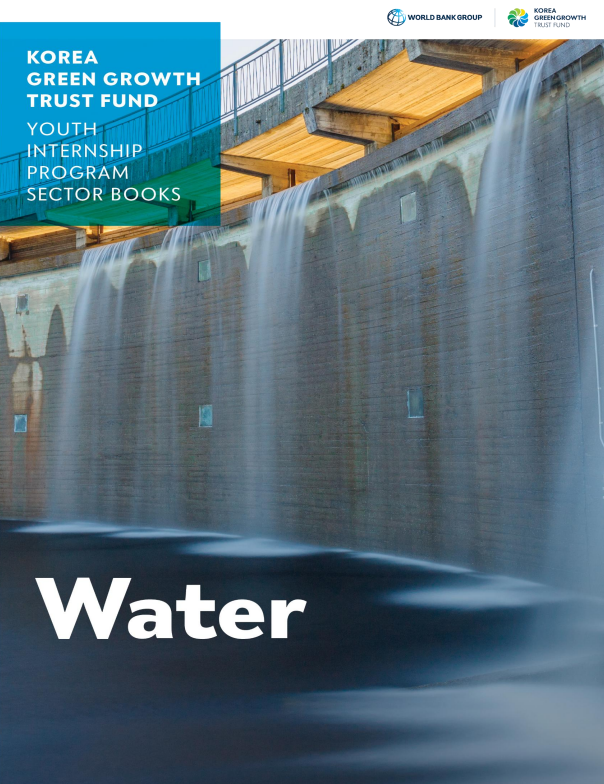
The water sector is fundamental to sustainable development, public health, and economic prosperity. Reliable access to clean water and sanitation drives economic growth, reduces poverty, and supports livelihoods across agriculture, industry, and energy. Water security underpins essential services and ensures communities can thrive. It is also a powerful engine of job creation. From construction and utility operations to irrigation services, watershed restoration, and wastewater management, the water sector creates employment opportunities at every stage of the water cycle. These contributions make water central to achieving inclusive and sustainable development outcomes.
The KGGTF plays a catalytic role in advancing efficient and climate-smart water management. Through the 27 targeted grants, the Trust Fund supports upstream initiatives that build institutional capacity, pilot innovative solutions, and integrate digital tools for efficient service delivery. By promoting wastewater reuse, strengthening governance, and enabling cross-sector collaboration, KGGTF helps client countries deliver integrated water strategies— laying the foundation for long-term water security, climate resilience, and green growth.