
As Egypt invests billions in modernizing its transport infrastructure, sustaining these investments will require more than new railways, ports, and highways. It will require a skilled workforce capable of designing, operating, and managing increasingly sophisticated transport systems.
To help meet this demand, Egypt is developing the Egypt National University of Transport (ENUT), a specialized institution designed to train the next generation of transport engineers, researchers, economists, and technical professionals. Scheduled to open in 2028, the university is expected to enroll approximately 5,000 students while also providing continuing professional education for transport practitioners.
With support from the Korea Green Growth Trust Fund (KGGTF), the World Bank has helped transform this vision into a concrete roadmap, delivering key planning milestones and establishing partnerships with leading Korean institutions.
Turning Korean Knowledge into Practical Solutions
The initiative builds on growing cooperation between Egypt and Korea, including partnerships developed during the 2023 Korea Green Innovation Days in Cairo.
Following a request from the Egyptian government in October 2023, the World Bank mobilized KGGTF Just-in-Time grants to support the university's preparation. This assistance has produced two key deliverables:
- An institutional vision and framework, completed in January 2024, establishing the proposed university's strategic direction and organizational structure and providing a foundation for subsequent planning.
- Curriculum and governance proposals, completed in March 2026, defining proposed academic programs and institutional arrangements to guide the university's development.
These deliverables have helped move ENUT from an initial concept toward a more fully defined academic and institutional model. The university is planned around three faculties—Transport Engineering, Technology Engineering, and Transport Economics—designed to respond to Egypt's growing demand for specialized transport expertise. The initiative also proposes a target of 50 percent female participation to expand women's opportunities in technical fields.
From Technical Assistance to Signed Korean Partnerships
Building on the completed technical work, a subsequent KGGTF grant is helping Egypt establish the international partnerships needed to develop and sustain ENUT.
With World Bank facilitation and support, Egypt's Ministry of Transport has signed two Memoranda of Understanding with Korean institutions, marking progress from technical planning to formal international cooperation:
- Korea International Cooperation Agency (KOICA): A signed agreement establishing a framework for cooperation and potential development assistance. The World Bank team is exploring opportunities to mobilize KOICA financing for ENUT's development.
- Korea National University of Transport (KNUT): A signed agreement establishing a foundation for academic and technical collaboration, connecting ENUT with Korean expertise in specialized transport education.
A third agreement, with Korea Maritime & Ocean University, is under preparation, with the potential to expand collaboration into maritime transport education and research.
These partnerships provide a basis for developing practical cooperation in curriculum development, academic exchanges, joint research, internships, and professional training. They also open opportunities to connect the university with Korean industry expertise and potential future investment.
For KGGTF, these agreements represent an important result: targeted technical assistance has helped establish formal institutional relationships that can support the university well beyond the initial grant-funded activities.
“Our goal from the outset was to build the partnerships and technical capacity needed to sustain its transport investments and strengthen the competitiveness of the Egyptian transport-related industries, and to support fostering capable talent to shoulder the country’s future. With KGGTF support, we have moved from an initial vision to concrete academic and governance plans, signed agreements with leading Korean institutions, and created opportunities for financing and collaboration. I am glad and humbled to be able to collaborate with so many leaders committed to supporting the youth.” Nobuhiko Daito, Senior Transport Specialist, World Bank Group
Advancing Cooperation Through Dialogue
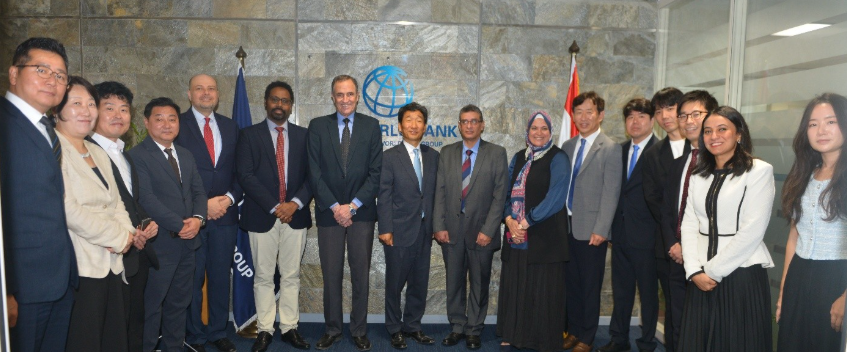
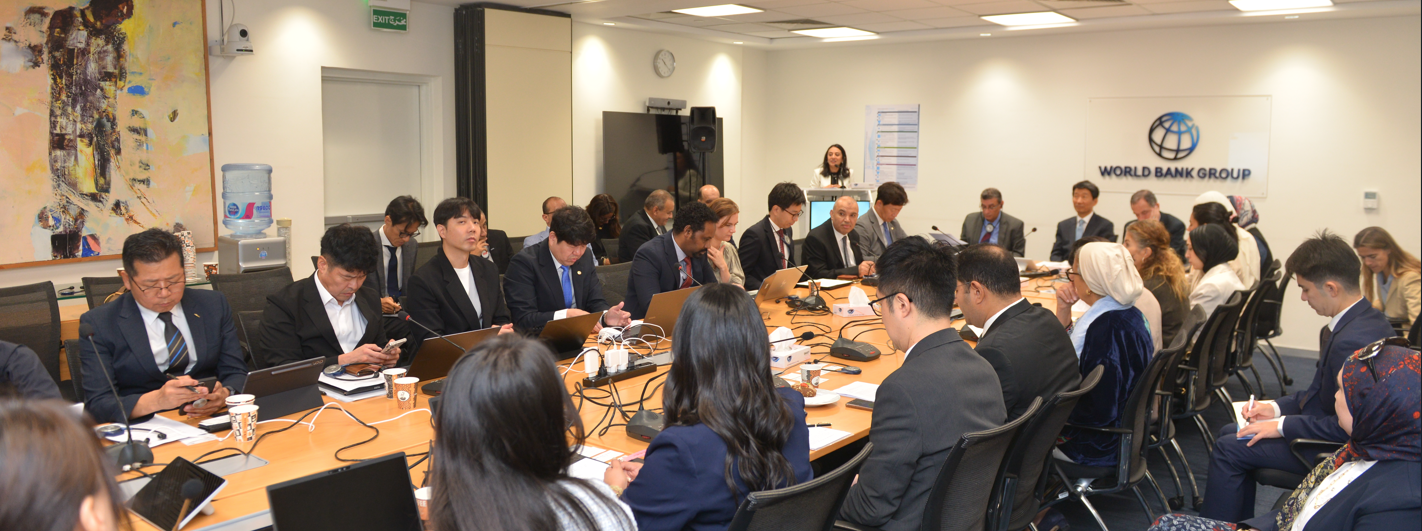
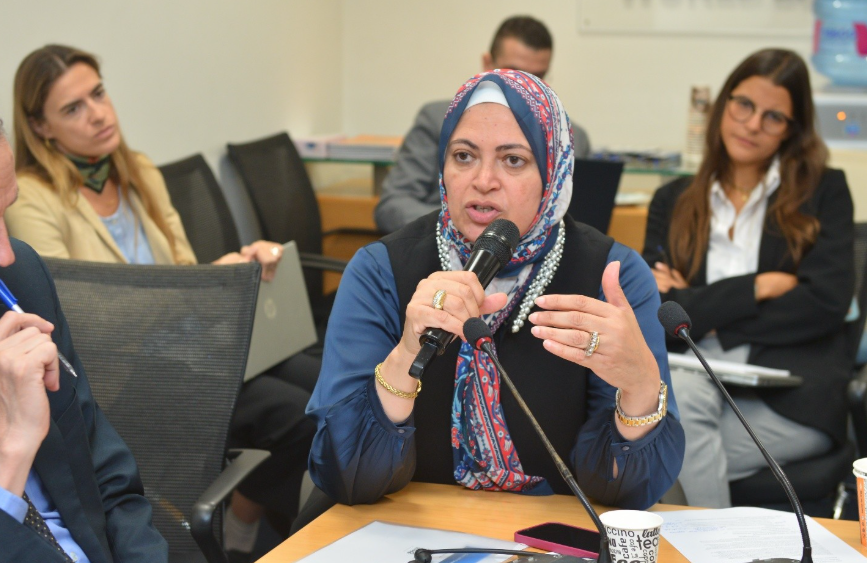
On September 27, 2026, the World Bank convened representatives of the Egyptian and Korean governments, development partners, academic institutions, and the private sector at its Cairo office for a workshop on Investing in Human Capital for the Future of Transport in Egypt.
The workshop provided a platform to review ENUT's progress and explore how the emerging partnerships could translate into practical cooperation. Participants included representatives of Egypt's Ministry of Transport, Ministry of Higher Education and Scientific Research, and Ministry of Foreign Affairs, alongside Korean institutions and other development partners. The Republic of Korea's Ambassador to Egypt, Kim Wan-Jong, also participated.
Discussions focused on several potential areas for collaboration: research and educational exchanges, joint research and development, industry internships, continuing professional training, and donor financing.
The engagement also reinforced the importance of linking university education with industry requirements, ensuring that future graduates are equipped with the skills needed by transport operators, infrastructure providers, and logistics companies.
Building the Workforce Behind Egypt's Transport Transformation
The next phase will focus on translating the completed technical work and signed partnerships into practical arrangements for ENUT's development.
Priorities include advancing cooperation with KNUT and other Korean academic institutions, exploring KOICA financing, and identifying opportunities for research partnerships, internships, and industry-supported training.
Over time, these efforts aim to help Egypt develop a domestic pipeline of engineers, technical specialists, researchers, and transport managers, reducing reliance on external expertise and creating new pathways to skilled employment. The university could also strengthen Egypt's role as a regional center for transport training, extending opportunities to professionals from other African countries.
For KGGTF, the progress illustrates how targeted investments in knowledge and technical assistance can lay the groundwork for larger-scale institutional change. What began as support to develop a university's academic vision has produced concrete planning documents, formal partnerships with Korean institutions, and opportunities to mobilize additional expertise and financing.
By connecting Korea's transport education experience with Egypt's development priorities, KGGTF is helping move ENUT closer to implementation—and laying the foundations for a skilled workforce capable of sustaining Egypt's transport investments for generations to come.
Grant: Egypt Green Transport Human Capital Development
Grant Year: Year 13 (2025)
TTL: Georges Bianco Darido, Lead Transport Economist