

By: Kitty Halpern, Consultant, KGGTF
In early May 2026, as countries look for faster, smarter ways to turn ideas into results—and translate investment into more and better jobs—more than 20 global delegations will travel to the Republic of Korea for a different kind of engagement.
Not a conference. Not a study tour.
A working platform where ideas are tested against real systems, partnerships are formed in real time, and projects already in the pipeline are pushed closer to implementation.
Anchored by the Korea Green Innovation Days (KGID) 2026, taking place May 6–8 in Sejong City, and supported by the Korea Green Growth Trust Fund (KGGTF), this convergence brings together World Bank teams, policymakers, and technical experts from across Africa, Asia, Latin America, and the Middle East, helping shape solutions linked to billions of dollars in ongoing and upcoming investments.
At its core, this reflects the World Bank’s evolving role as a Knowledge Bank—not only financing development, but connecting countries to proven solutions, practical experience, and global expertise that accelerate results.
A Behind-the-Scenes Look at How Projects Take Shape
What makes this moment stand out is its immediacy.
Across sectors—from renewable energy and digital infrastructure to agriculture, water, and urban development—delegations will engage directly with Korean institutions delivering results on the ground.
They will step into:
-
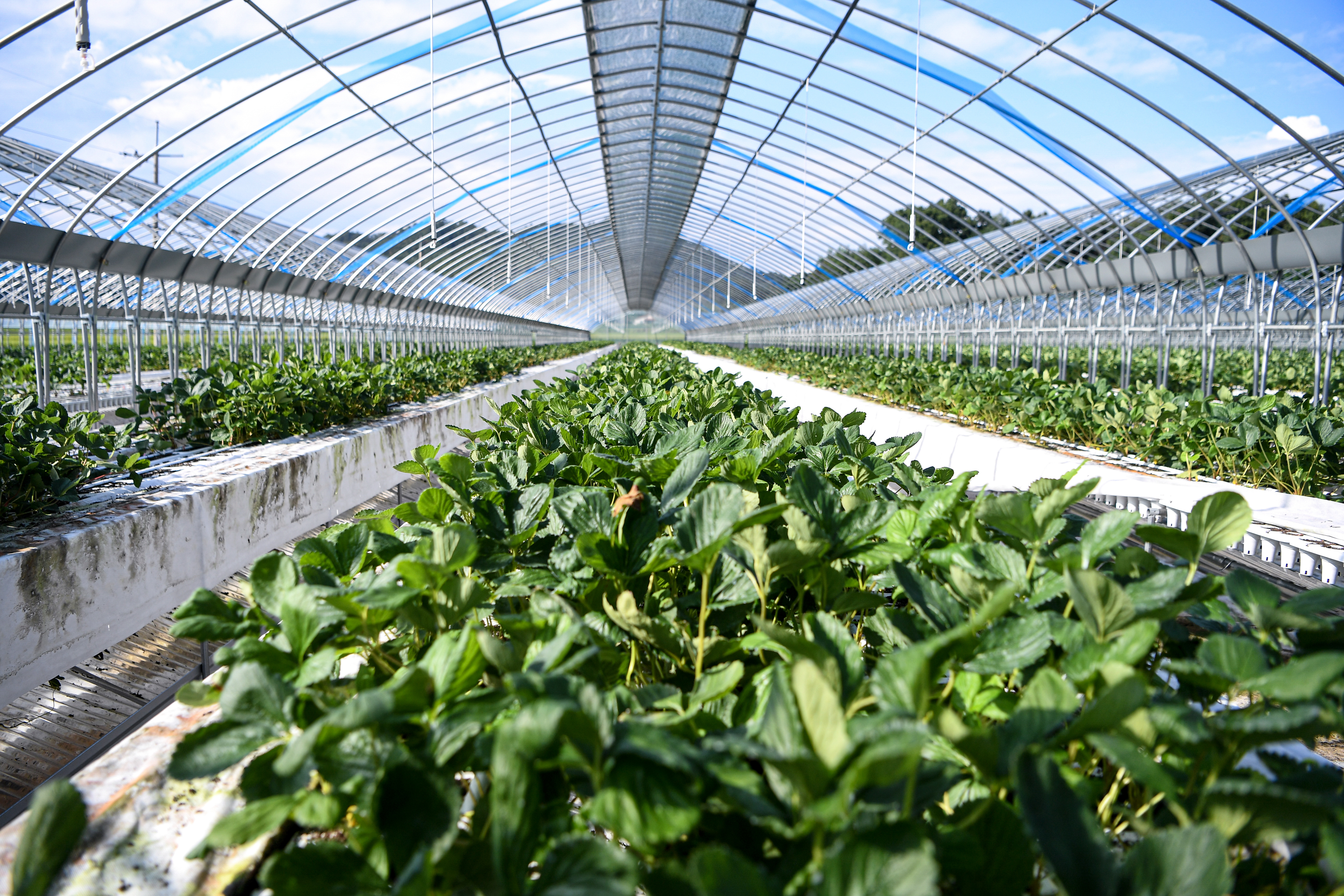
Smart farms using real-time data to improve productivity and resilience
-
Digital platforms enabling governments to deliver services at scale
-
Integrated water systems designed for efficiency and reuse
These are not abstract examples. They are operational systems—offering practical insights that can immediately inform project design.
From Learning to Investment
These Knowledge Exchanges are tightly linked to World Bank operations. Many participating teams are already preparing or implementing projects, and the timing is deliberate.
The goal is simple: move faster from concept to execution.
Through these engagements, teams are able to:
- Stress-test project design against proven approaches
- Identify technologies ready for adaptation
- Engage Korean partners on technical collaboration and financing
What is learned in Korea feeds directly into projects moving forward, shaping how investments are designed, financed, and delivered.
Korea’s Expanding Global Role
Korea’s development experience is well known. What is increasingly relevant is how that experience is being applied globally.
Hosting KGID 2026 in Sejong City, Korea’s administrative capital, offers direct access to the institutions behind that transformation. For visiting teams, this provides a clearer understanding of how policy, technology, and implementation come together in practice.
It is not just about what worked. It is about how it was delivered.
Partnerships That Extend Beyond the Visit
KGGTF plays a central role in connecting World Bank teams with Korean institutions, from government agencies to research centers and technology providers.
These engagements often lead to ongoing collaboration—supporting technical inputs, unlocking additional financing, and strengthening implementation capacity as projects move forward.
KGID 2026: From Exchange to Action
The week will culminate in KGID 2026, where participants will come together to share lessons and identify next steps.
Under the theme “Learning from Korea: Scaling Green Growth for Global Impact,” the focus is clear: how to translate insight into implementation, and implementation into scale.
Why It Matters
This convergence reflects a broader shift in development.
The priority is no longer just generating ideas—it delivers results, faster, with greater precision and stronger partnerships, helping countries build the foundations for more and better jobs.
For the World Bank Group, this means continuing to strengthen its role as a Knowledge Bank—bringing together financing, data, global experience, and country-driven demand to accelerate impact and support the enabling conditions for private-sector-led, sustainable job creation.
- Projects are actively being shaped and refined
- Proven approaches are adapted to country contexts
- Partnerships are formed with a clear path to implementation
What emerges is not just shared understanding, but tangible progress—projects moving from concept to execution, and from execution to scale.
As delegations gather in Korea this May, the story is still unfolding.
But the direction is clear: from knowledge to action—and from action to impact, at scale.
Find out more here.