By: Yujin An, KGGTF 2026 Youth Intern
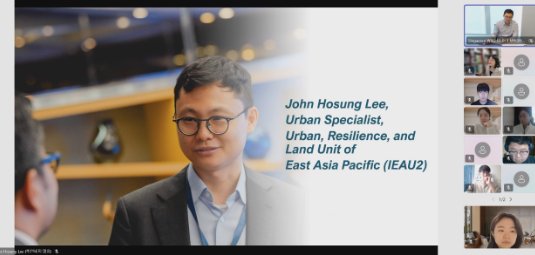
On February 3, 2026, Urban Specialist John Hosung Lee opened his lecture with a simple question: “What does an Urban Specialist actually do?” Most participants gave similar answers—preparing master plans, developing urban plans, and setting directions for urban regeneration and development. These were not wrong. However, the Urban sector portfolio he introduced showed that the scope of urbaN work was far broader and more complex in practice.
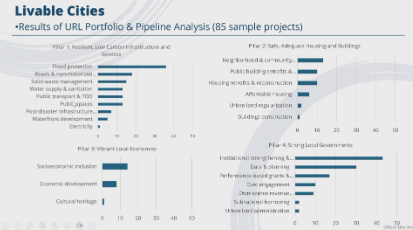
One of the most surprising points was how much of the portfolio focused on flood protection and solid waste management. Waste management is often seen as an environmental issue. However, the volume of waste generated in cities, along with the complexity of implementation, makes it a core urban priority as well. As he put it, “In cities, problems do not appear in separate silos.” Urban projects are therefore often delivered as integrated packages, and Urban Specialists need a holistic perspective.
An important takeaway is that project development can vary widely across countries, even within the same Urban sector. For example, project development in Mongolia was difficult due to country conditions, internal World Bank priorities, and lending constraints. By contrast, after Malaysia reached high-income status, the World Bank’s urban engagement focused less on lending operations and more on analytical and advisory work to guide greener infrastructure investments. This highlighted that Urban Specialists need not only an integrated perspective, but also the ability to understand country-specific contexts and constraints.
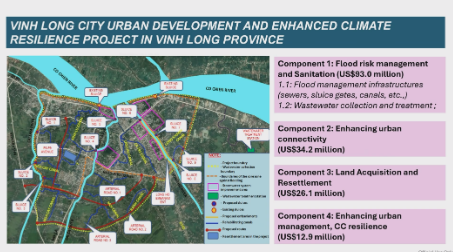
Vietnam’s Mekong Delta case showed these points most clearly. The region faces repeated seasonal flooding, which causes damage year after year. The project did not stop at building physical infrastructure such as embankments. It also introduced flood forecasting, early warning systems, and an operations and maintenance framework for the infrastructure once it was built. Another key point was that road design can support flood risk reduction, not just for transport. Practical issues such as land acquisition were also discussed. It is typically financed through government resources, but depending on national fiscal conditions, it may be incorporated into a project’s overall design.
Finally, Mr. Lee connected these messages to his own career path. He joined the World Bank as a consultant across Urban, Transport, and ICT teams. After moving to KGGTF, he worked on trust fund operations and built practical experience in knowledge curation, study tours, donor collaboration, and fund management. He noted that these experiences and networks are valuable in his current role as an Urban Specialist. By the end of the session, one thing was clear: a specialist is not limited to a single technical area. The role requires connecting different tasks and making them work in practice. For interns, it was a reminder to stay open and develop a clear career story based on their own experiences.