|
|
|
|
|
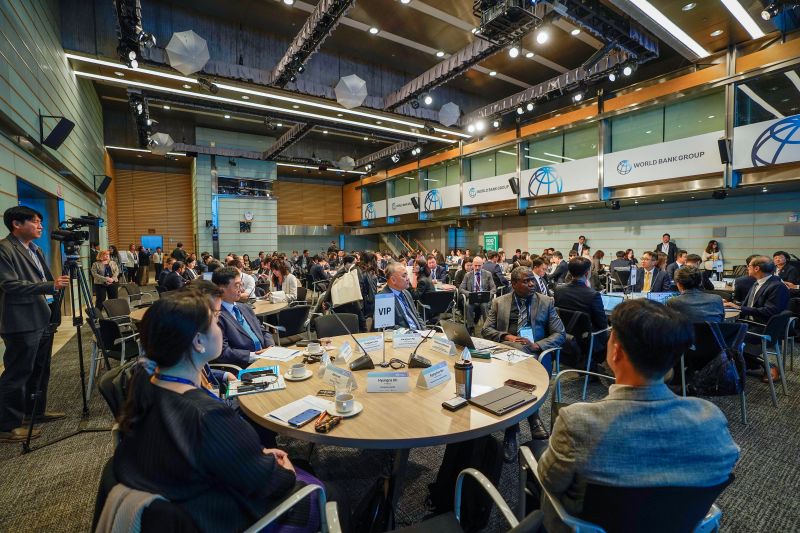
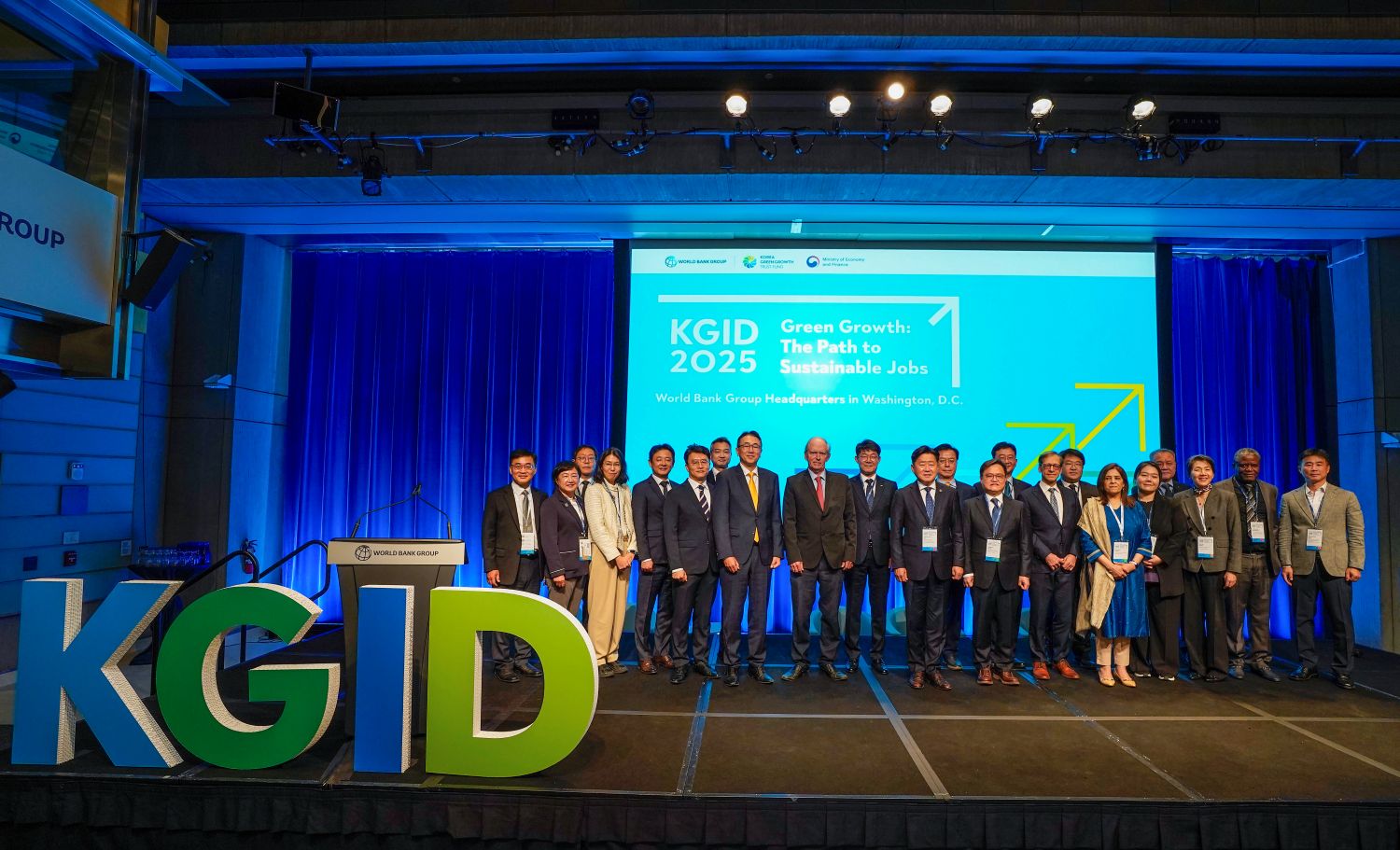
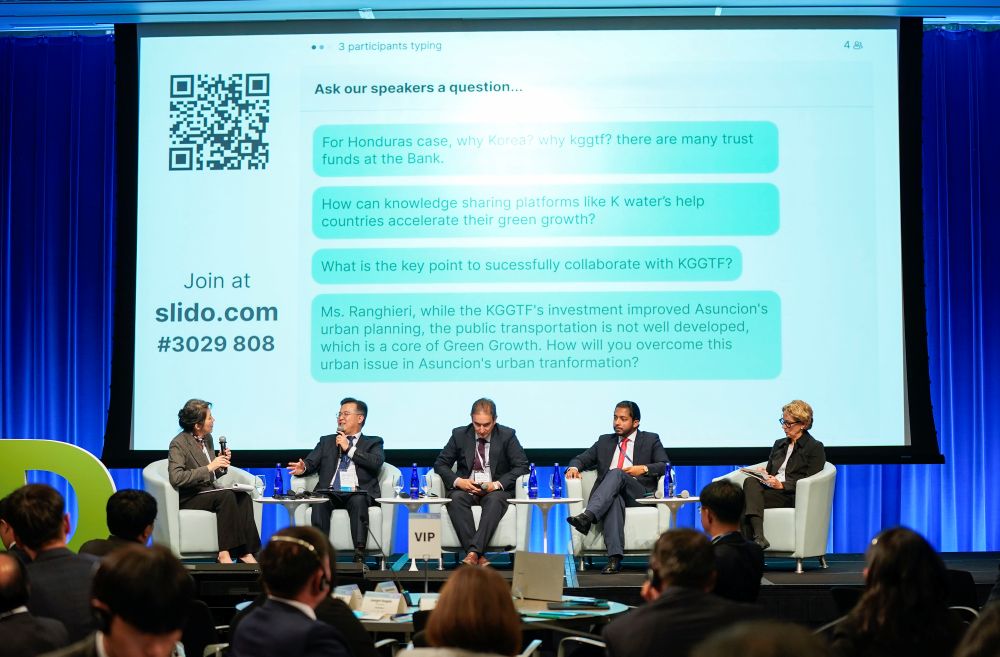
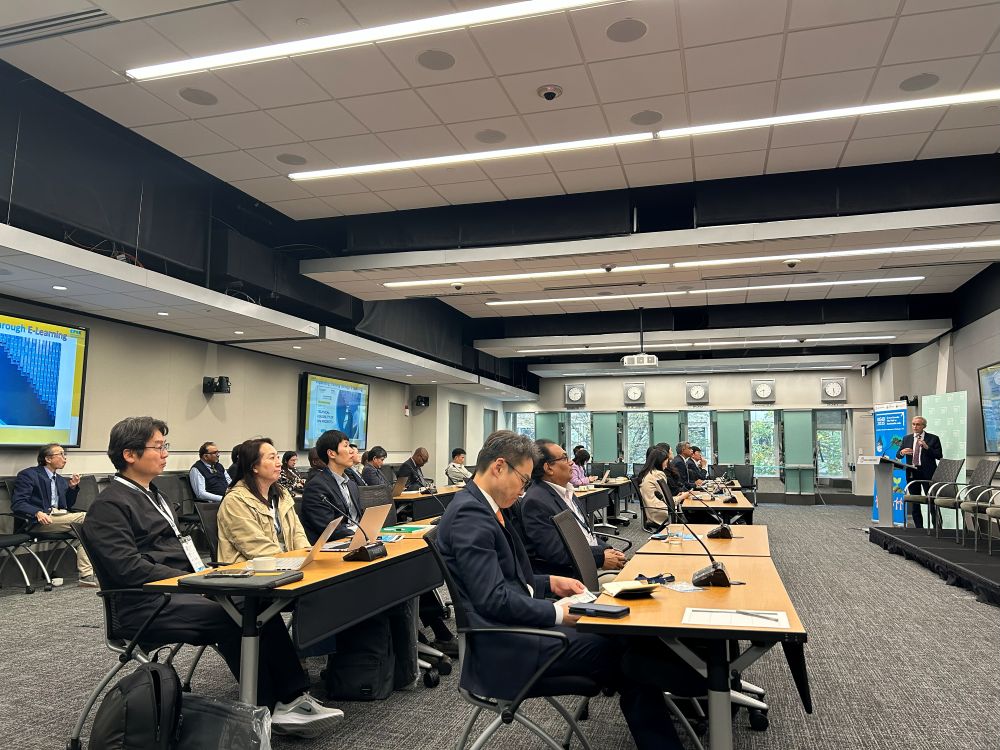
Korea Green Innovation Days (KGID) “Green Growth: The Path to Sustainable Jobs," was held at World Bank Group headquarters, on October 20-22, 2025 in Washington, DC. USA, jointly organized with the Ministry of Economy and Finance (MOEF) of the Republic of Korea, the donor of KGGTF.
This year's KGID brought together approximately 350 participants from Korea and around the world, including more than 160 experts from 45 Korean institutions and representatives from seven client governments, alongside World Bank management and project teams. Their participation reflects KGID’s core purpose: to share knowledge, connect across sectors, and build lasting partnerships that turn ambition into action.
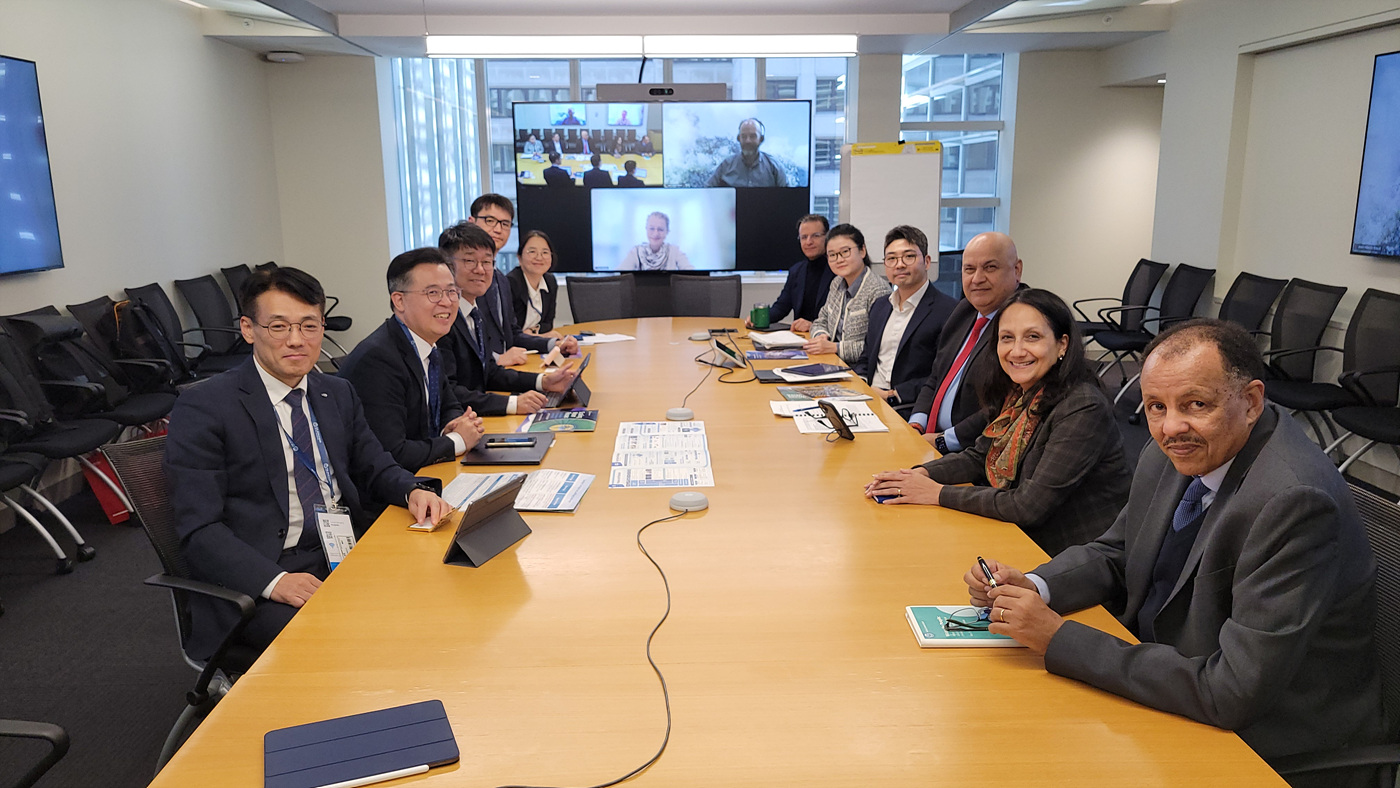
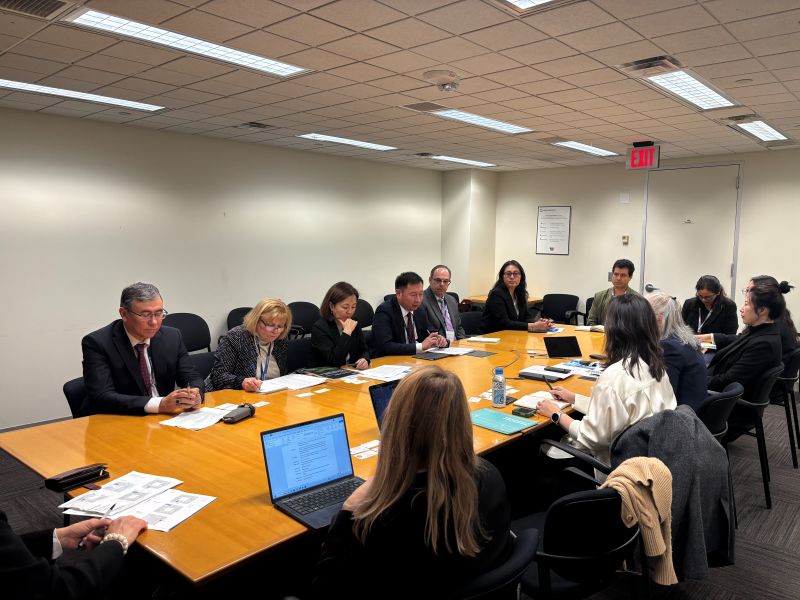
The 2025 KGGTF bilateral meetings served as a dynamic platform to deepen collaboration between the World Bank and Korean partners. Over three days, 39 Korean institutions and 42 World Bank teams and client countries held more than 90 bilateral and multilateral meetings, including 15 high-level engagements. These discussions further strengthened strategic partnerships between the World Bank and Korea, reaffirming Korea’s role as a leading innovation and knowledge partner in advancing sustainable development.
|
|
|
|
|
|
KGID 2025 overview video
(LINK)
|
|
|
|
Selected event photographs
(LINK) and (LINK)
|
|
|
Presentation files, available on the KGGTF event page
(LINK)
|
|
|
|
|
|
|
Day 1 Plenary Highlights: Monday, October 20
|
|
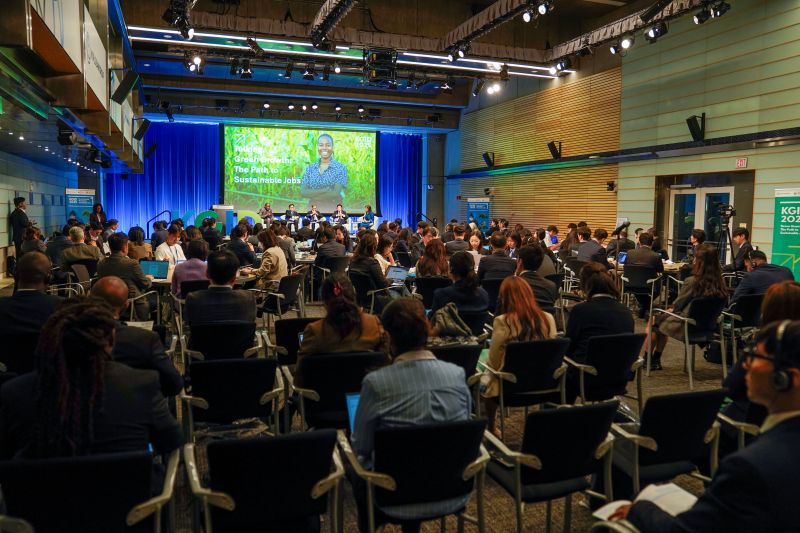
KGID 2025 opened in Preston Auditorium with a Korea–World Bank partnership ceremony and a high-level roundtable, “Talking Green Growth: The Path to Sustainable Jobs.” KGGTF presented global impact and innovations across sectors, followed by a book launch for Reboot Development: The Economics of a Livable Planet. Sessions on Jobs & Technology explored how green transitions create quality jobs, while a lightning series on AI and emerging technologies showcased practical applications from data platforms to AI-enabled water/energy systems.
|
|
|
|
|
|
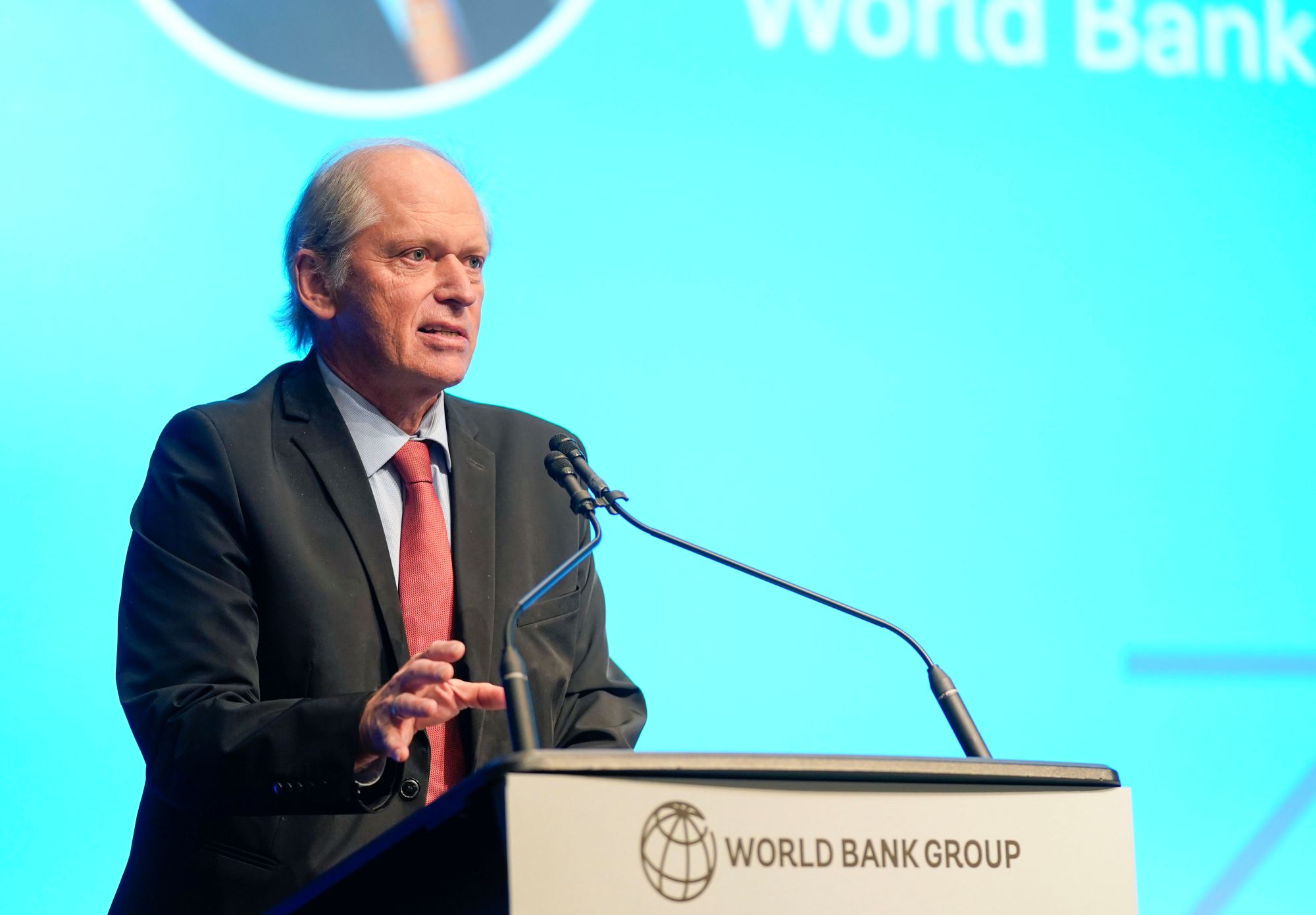
Juergen Voegele, Vice President for Planet, World Bank Group
|
|
|
|
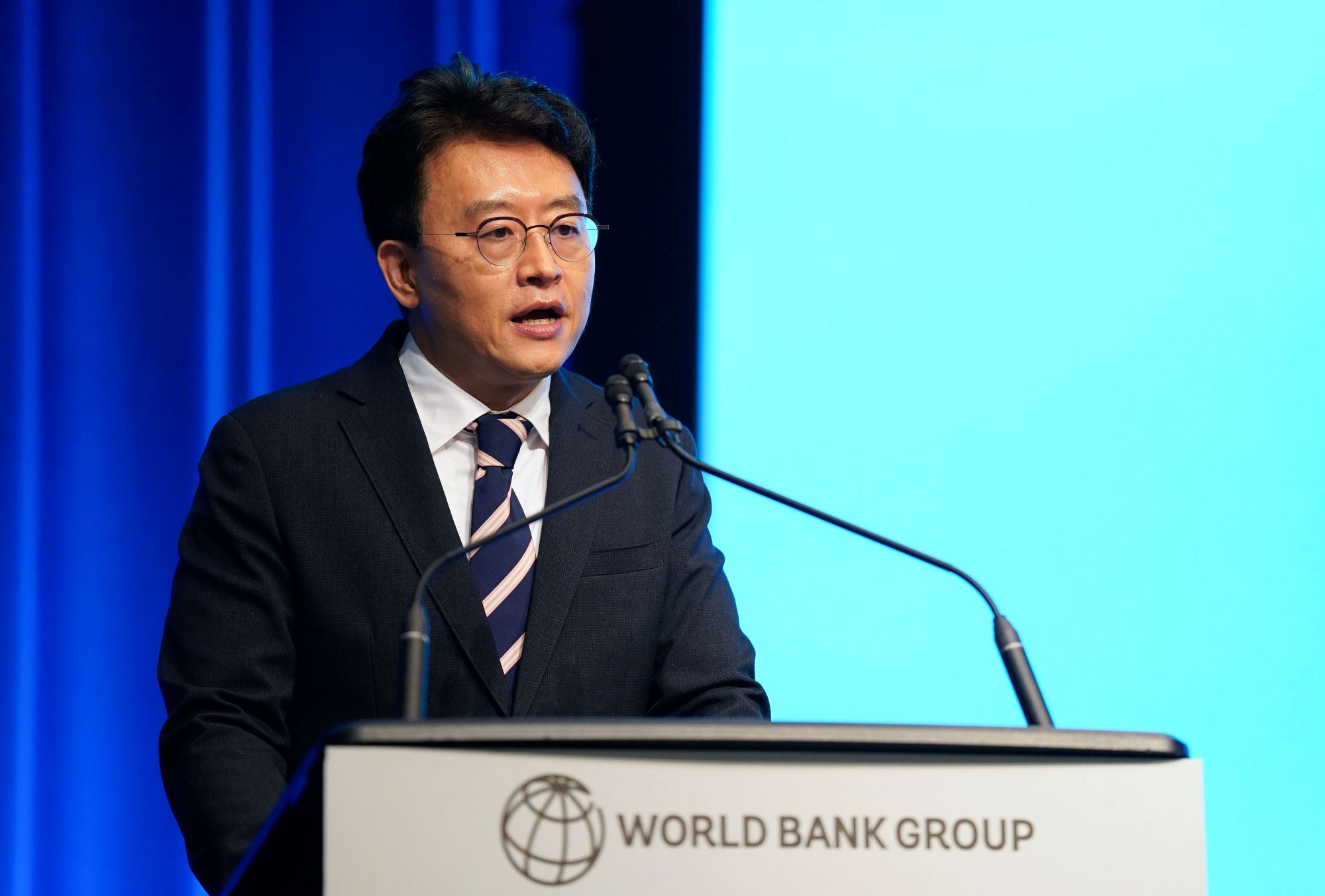
Jisung Moon, Director General of the Ministry of Economy and Finance, Republic of Korea
|
|
|
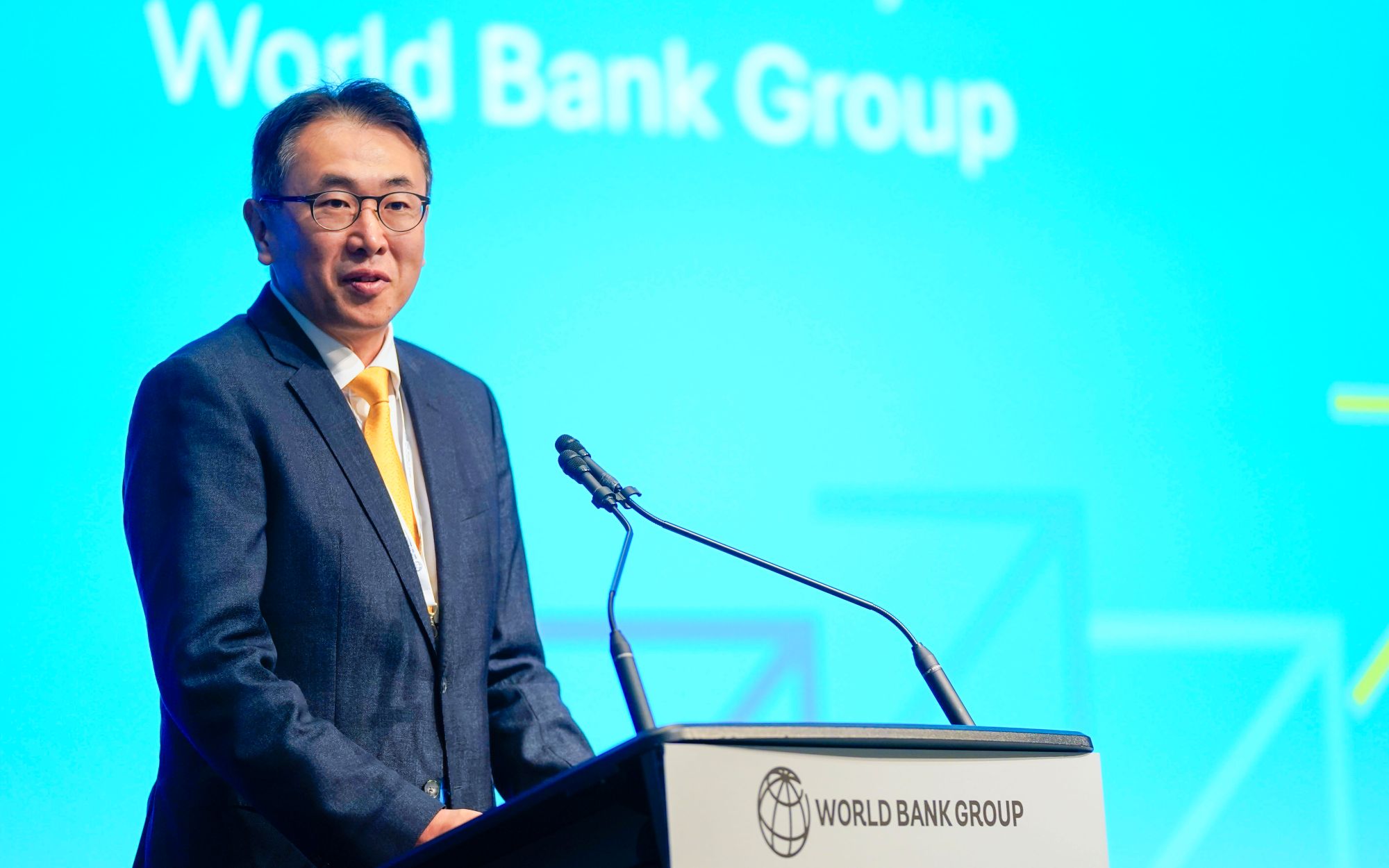
Sangbu Kim, Vice President for Digital Transformation at the World Bank Group
|
|
|
|
Opening Ceremony
-
Juergen Voegele, Vice President for Planet at the World Bank Group opened KGID 2025 by thanking the Ministry of Economy and Finance of the Republic of Korea (MOEF) and reflecting on the impact of its commitment. "Green growth is the economic transformation that can generate employment across every sector...we are proud to have earned MOEF’s trust, this growing partnership enables us to scale impacts to create jobs, green jobs that are sustainable and the future.
-
Sangbu Kim, Vice President for Digital Transformation at the World Bank Group highlighted the role of digital transformation stating, "Digital is no longer a separate sector, it is a connective thread that runs through everything we do across the World Bank. True opportunity lies in equipping people and institutions to use AI wisely, and turn technology into a driver of innovation, productivity and economic opportunities, this is why we see digital as a pathway to sustainable jobs and green growth."
-
Jisung Moon, Director General of the Ministry of Economy and Finance for the Republic of Korea reflected on Korea's commitment to green growth through the KGGTF stating, "Green growth is a strategy that pursues economic growth, environmental protection and the creation of sustainable jobs all at the same time. To make this strategy work, however, it must go beyond environmental policy alone, and several conditions are essential. This includes continuous investment in green technology and R&D, human resource development, long term commitment, and policy consistency from both government and the private sector. That's what the current government and KGGTF has been striving to achieve together."
|
|
|
|
|
|
|
-
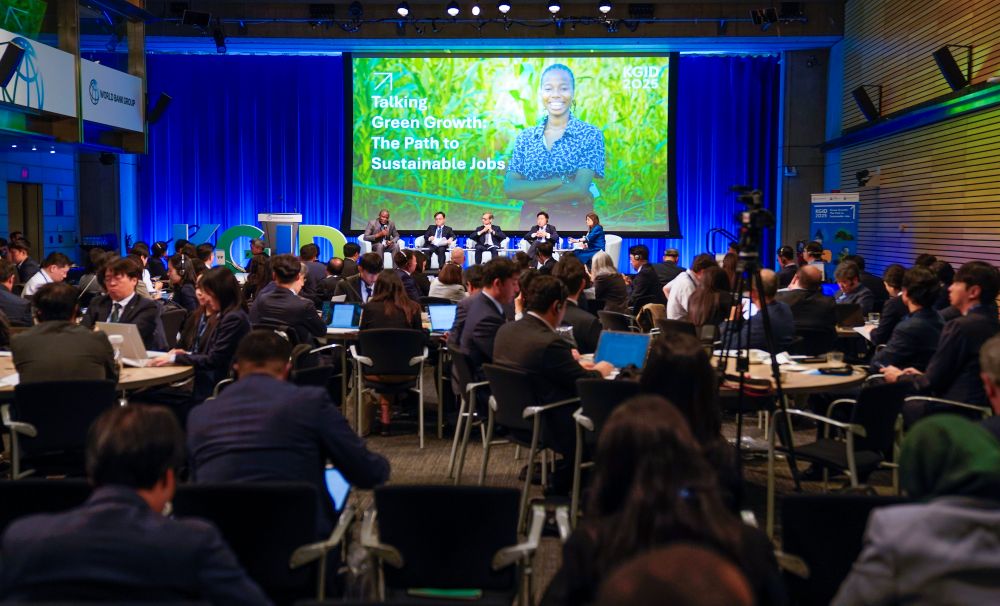
Session 2, "Talking Green Growth: The Path to Sustainable Jobs" explored how green growth strategies can create quality jobs and drive inclusive, sustainable economic transformation. It featured high-level experts including: Maitreyi B Das, Director, Trust Funds and Partner Relations, Development Finance Vice Presidency, World Bank Group; Richard Damania, Chief Economist, Planet Vice Presidency, World Bank Group; Young-Hun Oh, Governor of Jeju Self-Governing Province, The Republic of Korea; Dongsoo Kang, Executive Director, Global Knowledge Exchange & Development Center (GKEDC), Korea Development Institute (KDI); and Phillemon Mathebula, Chief Director, Planning, Policy and Climate Change Services, Department of Agriculture, Rural Development, Land and Environmental Affairs, South Africa.
-
Session 3, KGGTF: Our Global Impact, Today and Tomorrow, showcased KGGTF’s global engagement and looked ahead at how, together with Korea's MOEF, green growth can be scaled worldwide to drive innovation, resilience, and job creation for a sustainable future.
-
Session 4, KGGTF: Global Green Growth Practices and Innovations, showcased KGGTF’s impact, success stories, and innovative practices from Korean and global partners.
-
Session 5 launched the report "Reboot Development: The Economics of a Livable Planet" and lead author Richard Damania reflected on degraded natural wealth being not only an environmental problem but also an economic liability. He highlighted the importance of policymakers connecting the dots across land, air, and water sectors to drive strong, sustainable economic growth.
-
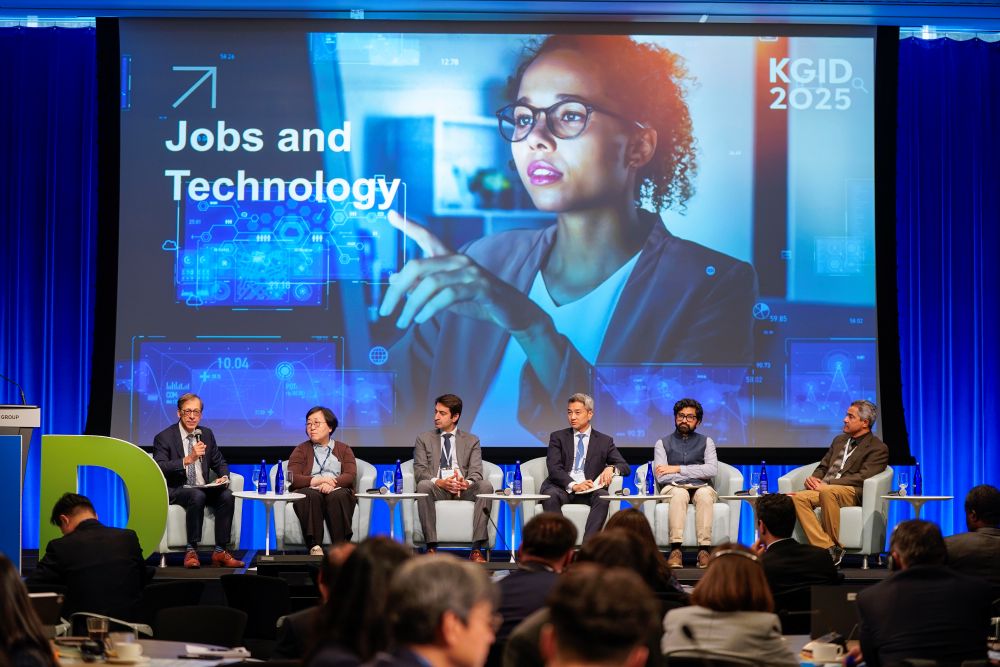
Session 6, Jobs and Technology, explored how technology-driven green growth can generate quality green jobs and enhance institutional capacity. Session participants included: Richard Damania, World Bank Group; Gaurav Nayyar, Economic Adviser, World Bank Group; Omar Arias, Deputy Chief Economist, World Bank Group; Hyungna Oh, Professor, Kyung Hee University; Etienne Raffi Kechichian, Senior Financial Sector Economist, World Bank Group, and Jae Hyung Kwon, Senior Country Officer, IFC.
-
Session 7, AI and Emerging Technologies Driving Green Growth, explored how AI and emerging technologies are transforming future green growth and employment opportunities across institutions and sectors. It opened with a keynote speech by Yeon Hak Kim, Science and ICT Attaché, Embassy of the Republic of Korea in the USA.
|
|
|
|
|
Day 2: The Green Growth Path to Scale and Impact: Tuesday, October 21
|
|
|
|
|
|
Day 2 featured sector- and theme-focused breakouts that illustrated how partnerships scale results:
-
Financing & Partnership Opportunities with Korean Institutions: Explored co-financing and strategic partnership opportunities with leading Korean institutions (KEXIM, KDI, NIGT, SMG, KEITI, ICAK).
-
Water Digitalization: Disseminated the importance of collaboration with technologies in limited resource settings for green growth (K-water, KE/KEITI).
-
Transport—Smart & Resilient Railways: Explored the future of rail through innovations that enhance efficiency, safety, and climate resilience. Case studies showcased how modern rail systems are driving economic revitalization, cutting emissions, creating jobs, and seamlessly connecting cities and regions (KORAIL, KORASS, KNUT, ICTR).
-
Environment—Pollution and Waste: Explored advanced recycling systems, waste-to-energy technologies, and progressive policy frameworks that cut pollution, boost industrial resilience, and drive the transition to a circular economy (KECO, SLC, Jeju, KEI).
-
Urban—Livable Cities: Examined inspiring approaches from Korea and around the world that enhance livability, fuel economic growth, and strengthen resilience (MOLIT, SMG/SUSA, Goyang).
-
Energy—Next-Gen Systems & Nuclear: Explored clean energy transformation, from renewable energy breakthroughs and grid optimization to energy efficiency solutions. It also reflected on emerging technologies and policy innovations shaping the next wave of energy systems that are secure, and sustainable (KEPCO, KETEP, KEA, KHNP, KINGS).
-
Environment—Mining Sites: Explored innovative approaches to repurposing retired mines, drawing on Korea’s experience of converting former sites into tourism destinations, museums, and biodiversity reserves.
-
Energy—Nuclear & Carbon-Free Energy: Focused on the role of nuclear energy in advancing the next generation of climate and energy strategies. Discussions focused on nuclear technologies, safety, financing models, and policy trends that position nuclear as part of a diversified low-carbon pathway (KEPCO, KETEP, KEA).
-
Environment—Forestry: Focused on forest restoration, and wildfire prevention and response while highlighting the role of policy, technology, and community partnerships in protecting biodiversity and preparing for forest-related disasters (AFoCO, NIFOS, KOFPI).
-
Urban—Housing: Explored how the World Bank Group is supporting public and private interventions to overcome supply and demand bottlenecks, drawing on global expertise and Korea’s successful green building and housing policies.
- Climate Finance: Showcased Korea’s leadership and lessons from World Bank operations and discussed how innovative financing models are turning climate ambition into tangible results on the ground (KCCI, KDI/GKEDC, NIGT).
Presentation files are available on the KGGTF event page here.
|
|
|
|
Day 3 — The Green Growth Path into the Future: Wednesday, October 22
|
|
|
|
|
|
Day 3 highlights focused on policy pathways and next-gen talent and technology:
-
Environment - Blue Economy: Covered marine spatial planning, blue carbon initiatives, and sustainable maritime transport; and explored how ocean stewardship can restore ecosystems (KMI, FIPA).
-
Urban Transport & Energy Nexus: Highlighted how innovation and clean energy adoption can create transport systems that are sustainable, resilient, and people-centered (SUSA, KOTI).
-
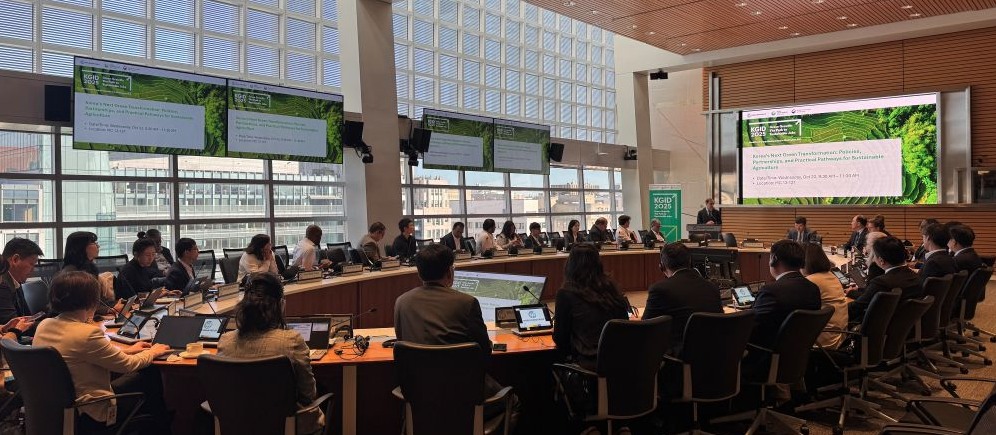
Agriculture: Highlighted Korea’s integrated approach to agricultural transformation and where policy, technology, and institutional partnerships work together to drive sustainable growth (MAFRA, RDA, EPIS, KRC, NCAM).
-
Youth Leadership and Innovation: Put a spotlight on the leadership and innovation of young changemakers advancing climate action and sustainability.
-
Digital & AI for Sustainability: Showcased applications in integrated urban systems and energy efficient networks, and demonstrated how technology can optimize services, lower environmental impacts, and drive economic competitiveness (NIA, Digital GP).
Presentation files are available on the KGGTF event page here.
|
|
|
|
|
|
|
KGID 2025 bilateral meetings served as a dynamic platform to deepen collaboration between the World Bank and Korean partners. Over three days, 39 Korean institutions and 42 World Bank teams and client countries held more than 90 bilateral and multilateral meetings, including 15 high-level meetings. Discussions ranged across shared priorities—digital innovation, energy transition, smart agriculture, water, and environmental management—and emphasized a collective drive to scale innovation and sustainability.
|
|
|
|
|
|
KGID 2025 received extensive media coverage in various outlets. Click the links below to peruse the articles.
|
|
|
|
|
|
|
|
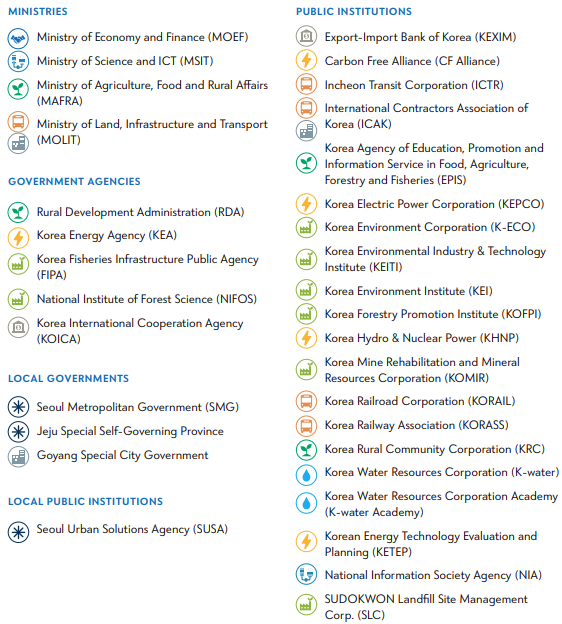
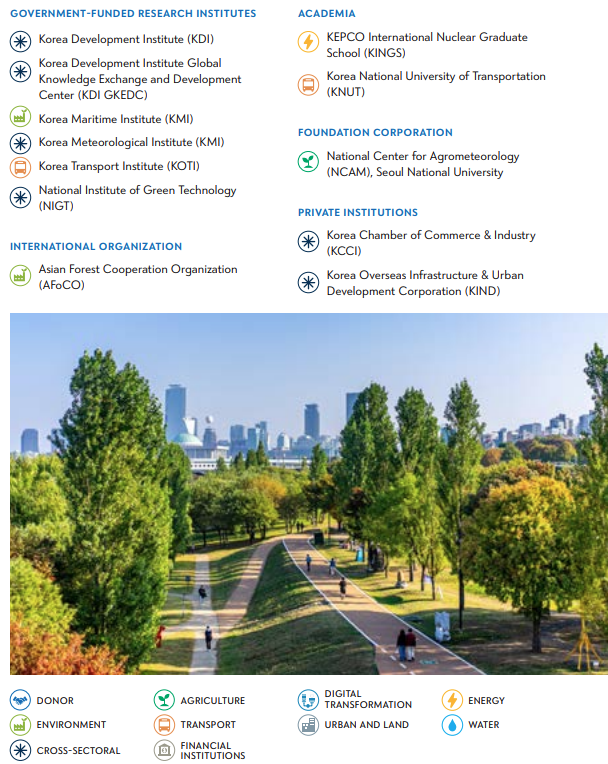
Over 110 delegates from Korea, representing 45 partner organizations, attended KGID 2025 where they engaged in session presentations and more than 90 bilateral meetings with World Bank management and project teams across 7 green growth sectors including agriculture, digital transformation, energy, environment, transport, urban development, and water.
The list of K-Partners that attended KGID 2025 is pictured below.
|
|
|
|
|
|
|
|
About KGGTF
The Korea Green Growth Trust Fund (KGGTF), a partnership between the World Bank and the Republic of Korea, is crucial to the World Bank’s vision of creating "a World Free of Poverty on a Livable Planet." Since its inception in 2012, KGGTF has been a technology-driven and implementation-focused trust fund, supporting partner countries in developing innovative and sustainable solutions, strategies, and investments geared towards Green, Resilient, and Inclusive Development (GRID). The KGGTF portfolio has supported 236 green growth programs and activities worldwide, amounting to approximately $128 million and linked to over $31 billion in World Bank Group lending and external co-financing.
|
|
|
|
|
For more information about KGGTF activities please visit our website www.wbgkggtf.org.
World Bank Group Korea Green Growth Trust Fund
1818 H Street, NW Washington, DC 20433 USA
|
 |
|
|
|
|