
By: Daniel Mira-Salama, Lead Environmental Specialist and Lee Xin Chun, Consultant
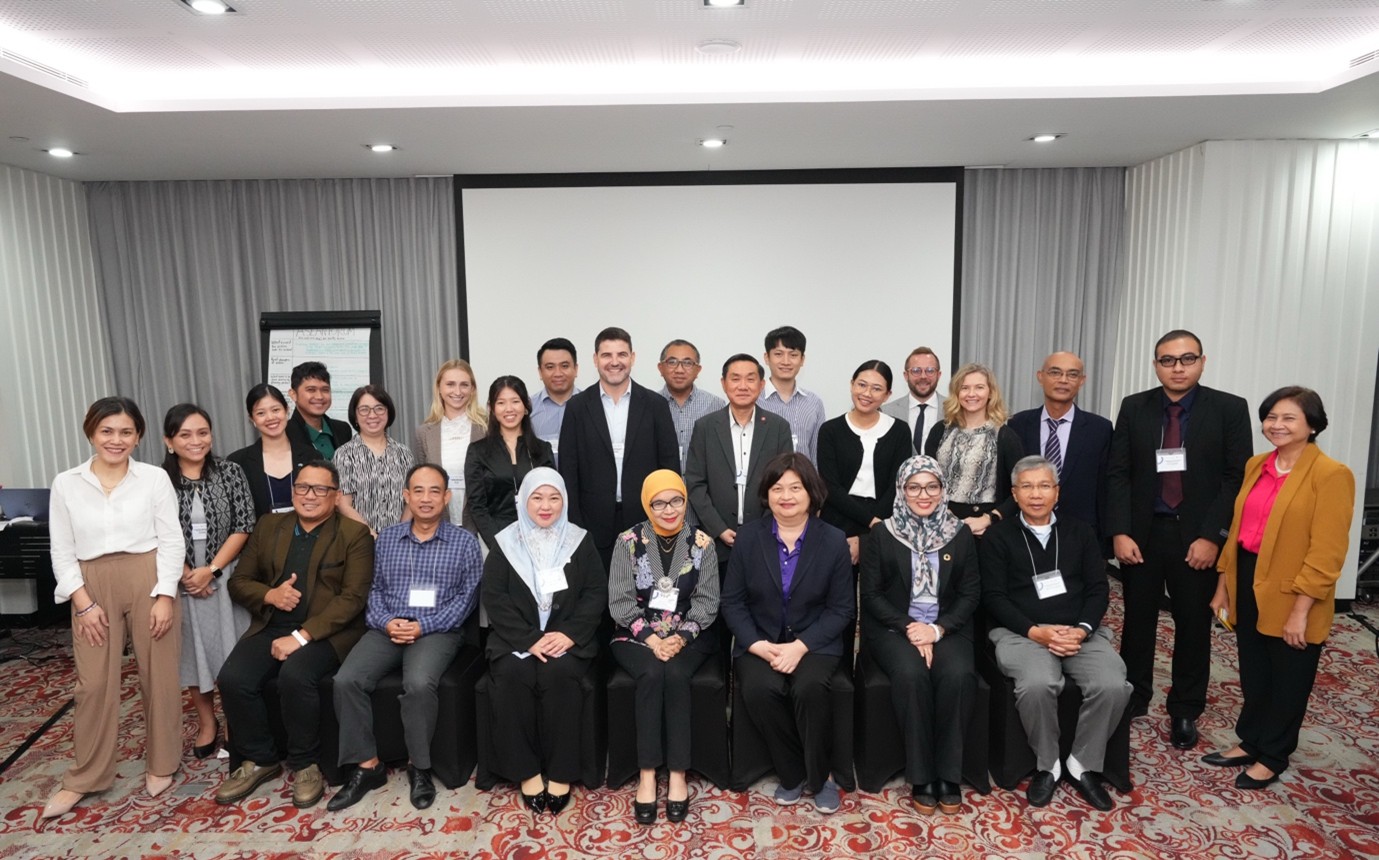
On 11-12 September 2025, an ASEAN Consultation Workshop on air quality management was convened in Bangkok, Thailand, as part of a World Bank initiative. The event brought together delegates from eight ASEAN Member States (AMS), along with World Bank experts and other partners. The objectives were to foster dialogue and consensus on the value of ASEAN support in strengthening air quality management in the region, and to identify priority actions that lay the foundation for a harmonized, multisectoral, and airshed-based approach to cleaner air across the region.
Opening the session, Dr. Daniel Mira-Salama, lead environmental specialist of the World Bank underscored the urgency of the issue:
“Air pollution is one of the top causes of premature death in the region, causing economic damages of up to 10 percent of its GDP every year. We are here to ask: What role could ASEAN play to support its member states in taking concerted action?”
The consultation was backed by the Korea Green Growth Trust Fund, a partnership between the World Bank and the Republic of Korea that supports partner countries in developing innovative and sustainable solutions, strategies, and investments geared towards Green, Resilient, and Inclusive Development. Additional technical support was provided by Clean Air Asia and Ricardo Energy & Environment, reflecting a strong coalition of partners committed to advancing clean air action.
Over two days, the workshop aimed to gather inputs from member states in shaping a regional agenda for air quality management. Mr. Ke Vongwattana, Chair of the ASEAN Working Group on Environmentally Sustainable Cities, emphasized:
“Collaboration is key—no single country can address air pollution alone.”
These discussions reinforced that ASEAN’s convening power, combined with lessons from other regions, can help member states overcome individual limitations and accelerate air quality improvements.
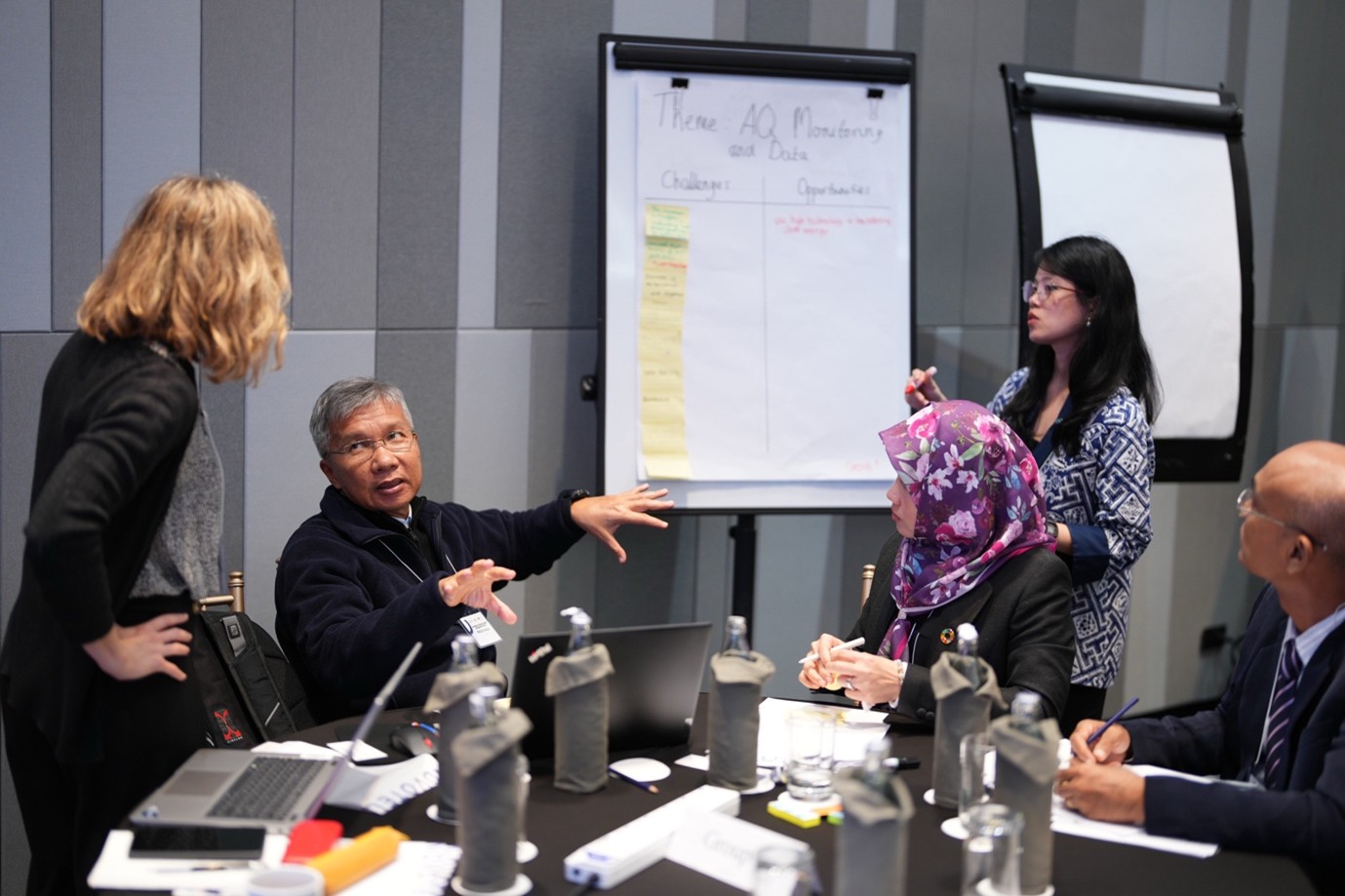
Caption: Participants dive into discussions on air quality management challenges within their respective countries during the breakout session.
Challenges in ASEAN Validate the Need for Regional Coordination
A central takeaway from the workshop was that ASEAN-level coordination is essential. In her presentation, Atty. Glynda Bathan-Baterina, Deputy Executive Director of Clean Air Asia, noted that while high levels of PM2.5 have declined since 2014, most ASEAN cities still exceed WHO air quality guidelines.
Breakout sessions highlighted several common national challenges:
- Air pollution is multi-sectoral.
Air pollution sources cut across industries, transport, energy generation, agriculture and household practices such as open burning. Technical regulations of these sectors and emissions oversight is also split across regional, national, provincial, and municipal levels. This raises a key question: Who should lead and provide vision, who should establish limits, and who should monitor and be held accountable? Delegates agreed ASEAN could provide stronger coordination and signalling on source emission limits and concentration levels, which would help AMS secure funding domestically.
- Air quality monitoring remains fragmented.
Some AMS have advanced systems, while others still rely on manual sampling and lack uniform data formats. Uneven adoption of low-cost sensors and modern monitoring tools makes regional harmonization difficult. Delegates saw an opportunity for ASEAN to provide standardized guidance and adapt international protocols to regional needs, allowing progress to be measured and compared.
- Financing is limited.
Accessing international funds is difficult, and attracting private investment is challenging without clear profit incentives. Many initiatives operate in silos, leading to duplication and competition for resources.
A key takeaway from these conversations was the need for a collective ASEAN framework or overarching strategy to air quality management in the region. Such a framework would unify initiatives and promote synergies, facilitate the pooling of resources, allow expertise to be mobilized and shared, and build the political momentum required for meaningful change.
Regional Coordination: Lessons from Home and Abroad
Delegates also reflected on lessons from global and regional experiences:
- Great London Smog to Cleaner Skies
Mr. Tom Buckland, technical director at Richardo, recounted Europe’s journey from the Great London Smog of the 1950s to the today’s cleaner air. The transition faced many obstacles, including public outcry, cost concerns, and repeated adjustments to policies. His message: Although Southeast Asia’s challenges seem enormous, similar issues were tackled elsewhere through steady regional cooperation.
- ASEAN Transboundary Haze Agreement.
While focused on forest fires and haze, this agreement demonstrated that ASEAN countries can work together to address a shared environmental threat. It offers a precedent for a similar framework for air quality, where cross-border impacts are just as significant.
- Southeast Asia Regional Program on Combating Marine Plastics (SEA-MaP)
Supported by the World Bank, SEA-MaP is the main tool for the implementation of the ASEAN Regional Action Plan for Combating Marine Debris. SEA-MaP tackles the challenge of plastic pollution in the ASEAN region, and illustrates how regional coordination, high-level commitment and ownership can address collective environmental challenges, demonstrating the value of concerted ASEAN action and convening power.
While air quality challenges in ASEAN are complex, regional collaboration is achievable when political will, technical expertise, and donor support align. Insights from this consultation highlight the value of greater coordination and will help shape a future regional agenda.
Grant: East Asia Air Quality Management Program: A Regional Approach to Improving Air Quality and Promoting Green Growth
Grant Year: Year 11 (2023)
TTLs: Ashraf Bakry El-Arini, Senior Environmental Specialist, Daniel Mira-Salama, Lead Environmental Specialist, and Jian Xie, Senior Environmental Specialist