
By: Injun Song, KGGTF 2025 Youth Intern
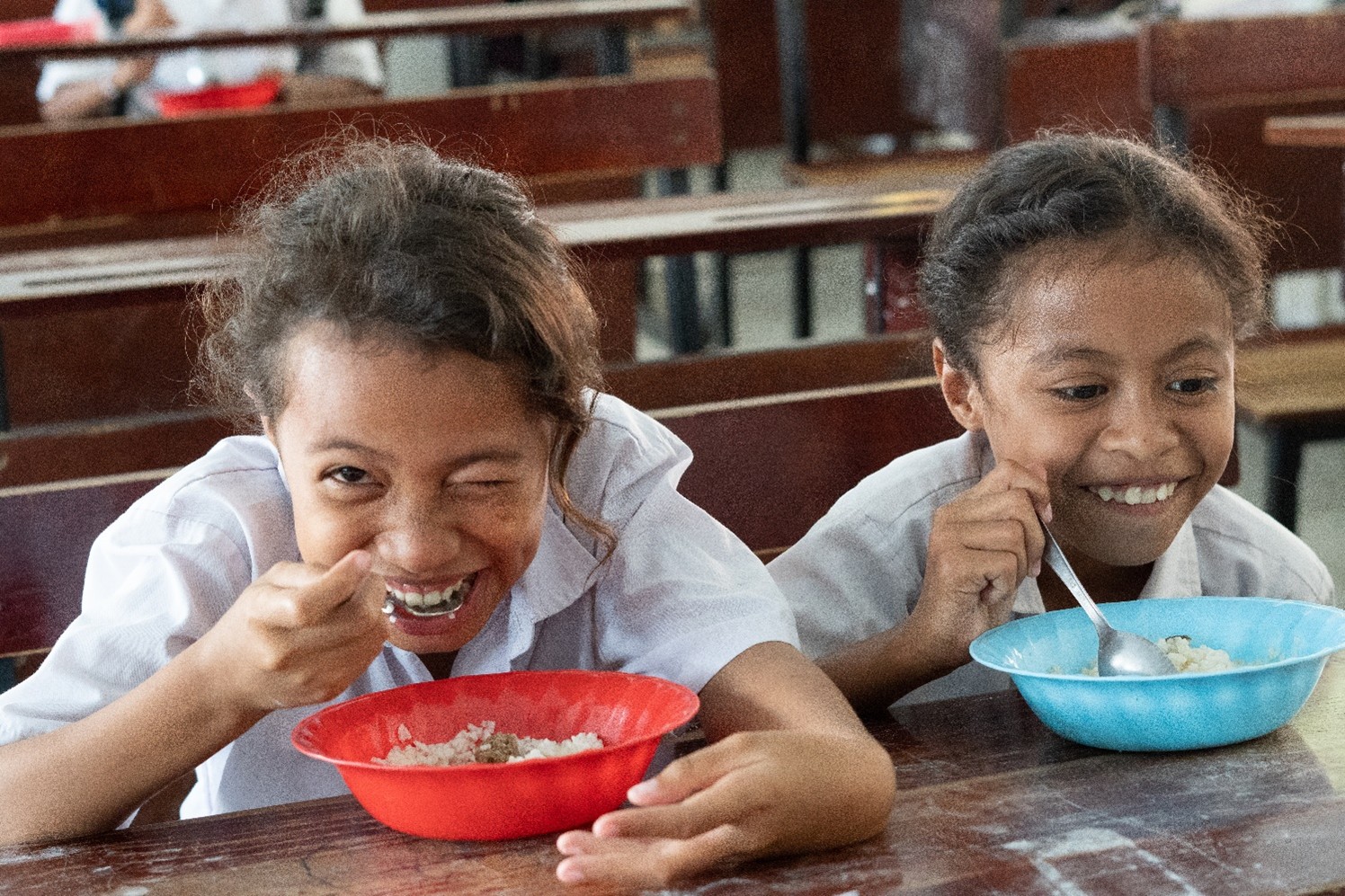
In Timor-Leste, working in the field with WFP, I often found myself wondering: Who are the people funding these projects? How can I get into their heads so that the people who need it more get the grants? I also received many questions from Timorese colleagues about Korea’s development model. I wasn’t sure how to answer. I had seen Korea’s success, but I didn’t know if our story could be someone else’s. With those unanswered questions, I joined the WBG KGGTF Youth Program.
KGGTF took me behind the scenes, showing me how development funding really works and who moves it. I was specifically tasked with writing the Water Sector Portfolio, spending six months analyzing dozens of KGGTF-funded projects: reading grant proposals, progress reports, and strategy documents; mapping activities, outcomes, and trends. The process was detailed, meticulous, and complex. But a pattern emerged. Early-stage proposals often struggled with clarity and coordination, but over time, with KGGTF’s support, their logic became tighter, the writing stronger, and the outcomes more measurable. I saw hope in that progress, but also a big gap between the countries most in need of funding and their ability to show they can make the most of it.
One proposal from Mongolia’s wastewater reuse project stood out. What impressed me wasn’t just the technical plan. It was the way it brought together hospitals, private contractors, and local governments. The partnerships were deliberate. The plan was feasible. I thought to myself, This is the kind of proposal that gets funded. Then I thought of Timor. Could it produce something like this? The reality is, many countries that need grants the most face the biggest hurdles in securing them. Governance gaps, language barriers, and limited proposal experience hold back even the most urgent ideas. That’s when I realized the real bottleneck isn’t money, it’s capacity. And that’s where KGGTF comes in, helping countries unlock their potential from human development to technical implementation. I had joined KGGTF because the mission sounded grand. But the more I worked, the more I believed in its practical necessity, and the more I wanted to contribute.
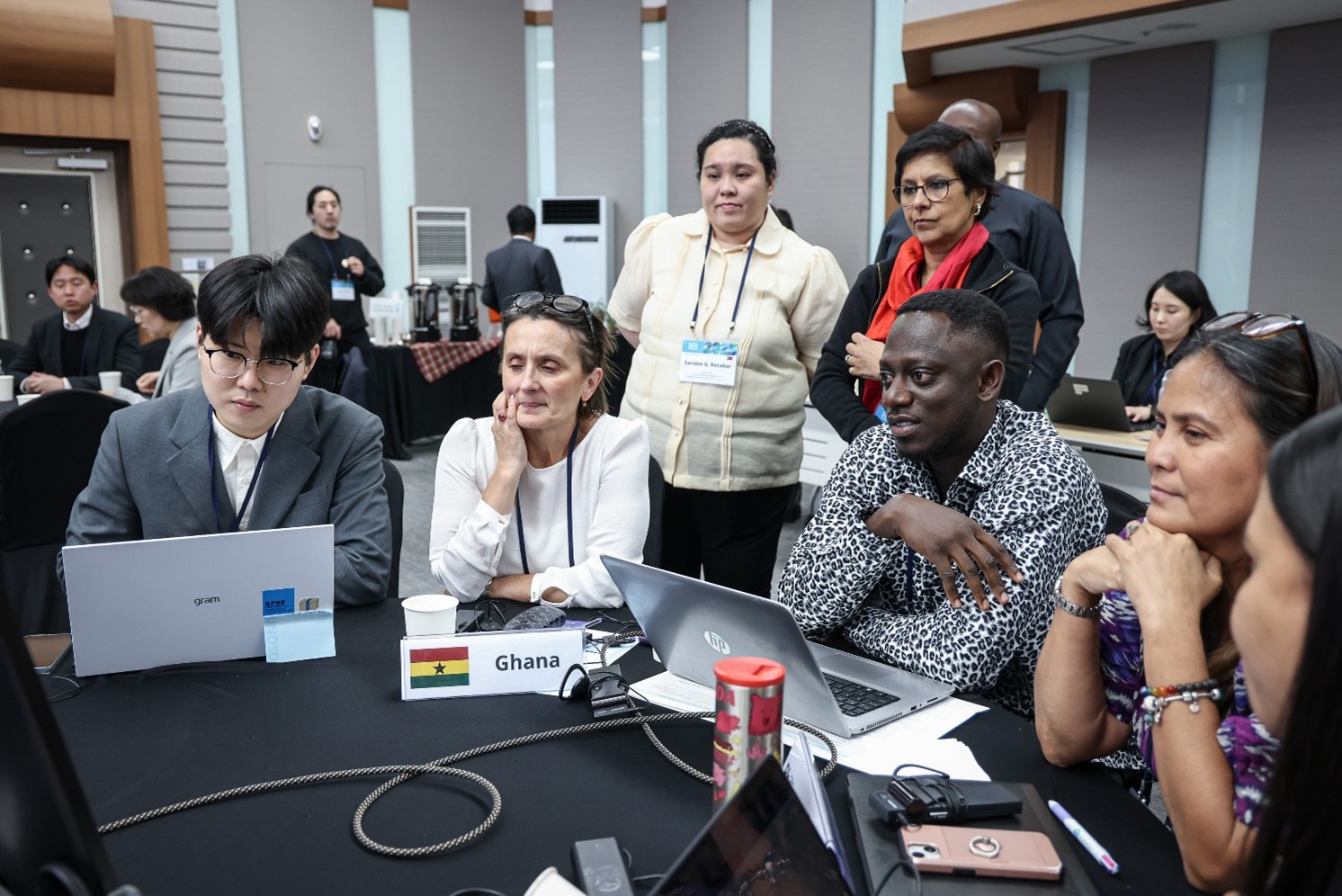
I also supported the Communications and Outreach Team, contributing to the youth program video and reviewing website content. I volunteered to document site visits, dusting off my video editing skills for the first time in a year. Not just to record what we saw, but to help others understand the importance and impact of KGGTF’s work, the way I came to see it. I read every article on the website, flagged typos, documented formatting issues, and reported access errors. It may sound minor, but seeing the program through photos, text, and video gave me a unique, cross-cutting view of how the parts fit together and how storytelling is part of implementation too.
I started behind closed doors, reading documents and editing drafts, but KGGTF didn’t keep me there. Soon, we were on site visits, seeing the green growth story unfold where it actually happened. I’d heard of “green” landfills before, but assumed the title was more about public acceptance than engineering substance. But at Sudokwon Landfill Site, I didn’t expect methane-capture systems, leachate treatment labs, or the sheer technical rigor packed into that space. It wasn’t a PR story. It was infrastructure. Walking through Sudokwon Landfill Site, I realized something I’d never put together in my head. I’d been living inside green growth for years, without ever noticing. That was the whole point. Green growth was so embedded in my life that I forgot it was there. I left that site thinking, others deserve that too.
In some ways, I went through the same journey as the proposals I read. I started out unsure, but grew through access, structure, and support from KGGTF. I used to stand in the back of SNU lecture halls, waiting for a chance to grab a name card from World Bank consultants. But through this program, I found myself being listened to by World Bank economists, UN partners, and private sector innovators, as a youth representative with ownership of our green future. I started off struggling to pronounce “Korea Green Growth Trust Fund” in one go, but grew into someone ready to take this experience and build on it.
I hope to be back in the field soon, maybe on rocky roads in Timor, or maybe somewhere new, but this time as a KGGTF alum. If I can help a local official write a stronger proposal or explain that green growth is not a choice but an inclusive path to sustainable development, then I’ll be doing what the program prepared me to do. I may no longer wear the KGGTF badge, but what I’ve learned will help me contribute to a World Free of Poverty on a Livable Planet.
That’s what I’ll carry forward.